
Exploring Popular Roleplaying Systems: Your Gateway to Epic Adventures
- Phil Beckwith

- Jan 21
- 4 min read
If you’ve ever sat around a table with dice, character sheets, and a group of friends ready to dive into a world of imagination, you know the magic of roleplaying games. But have you ever wondered what makes each game tick? What sets one system apart from another? Today, you’re going to explore some of the most popular roleplaying systems and discover how they shape your adventures, storytelling, and gameplay.
Popular Roleplaying Systems You Should Know About
When it comes to tabletop roleplaying games, a few systems have carved out legendary status. These systems aren’t just rulebooks; they’re frameworks that guide how you create characters, resolve conflicts, and tell stories. Here are some of the big players you might already know or want to check out:
Dungeons & Dragons (D&D): The granddaddy of modern roleplaying games. With its 5th Edition, D&D offers a balanced mix of storytelling and tactical combat. It’s perfect if you love fantasy worlds filled with dragons, magic, and heroic quests.
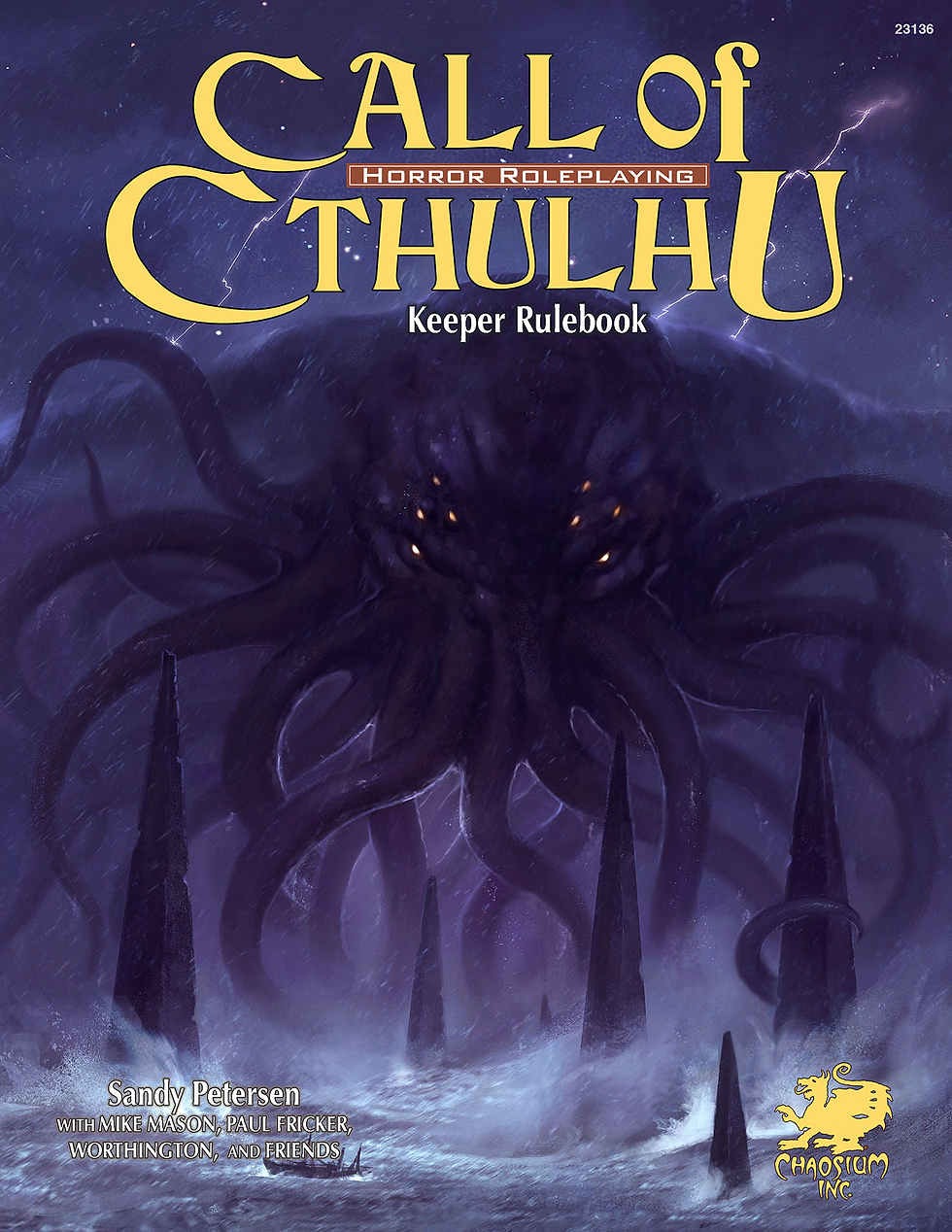
Call of Cthulhu: If you prefer your adventures with a side of cosmic horror and sanity checks, this system delivers. It’s built around investigation, mystery, and the creeping dread of the unknown.
Pathfinder: Born from the ashes of D&D’s 3.5 Edition, Pathfinder is a crunchy, detailed system that appeals to players who love deep character customization and complex combat.
Fate Core: A flexible, narrative-driven system that lets you tailor the rules to fit any genre or story. It’s great for players who want to focus on storytelling over strict mechanics.
Shadowrun: A cyberpunk-fantasy hybrid where magic meets technology. It’s a bit more complex but offers a unique blend of genres and gameplay styles.
Each of these systems has its own flavor, strengths, and quirks. Choosing the right one depends on what kind of story you want to tell and how you want to play.

What is a Role-Playing Game System?
Before you dive deeper, let’s clarify what a role-playing game system actually is. Think of it as the rulebook and toolkit that governs how your game works. It includes:
Character creation rules: How you build your hero or anti-hero.
Mechanics for actions: How you determine success or failure, usually with dice rolls.
Combat and conflict resolution: Rules for fighting, negotiating, or solving problems.
Progression systems: How characters grow and develop over time.
Narrative guidelines: How the story unfolds and how players interact with the world.
A good system balances structure and freedom. It provides enough rules to keep things fair and consistent but leaves room for creativity and improvisation. When you understand the system, you can focus on what really matters - the story and the fun.
How Different Systems Shape Your Storytelling
The system you choose doesn’t just affect gameplay mechanics; it shapes the entire storytelling experience. For example:
Dungeons & Dragons encourages heroic fantasy narratives with clear roles like fighters, wizards, and rogues. Its mechanics support epic battles and dungeon crawls.
Call of Cthulhu focuses on suspense and investigation. The sanity mechanic adds tension, making every encounter potentially terrifying.
Fate Core puts narrative control in the hands of players, encouraging collaborative storytelling and improvisation.
Shadowrun blends gritty cyberpunk with fantasy, creating a world where street samurais and deckers coexist.
Understanding these differences helps you pick a system that matches the tone and style of the stories you want to tell. Want a heroic quest? D&D might be your best bet. Craving a psychological thriller? Call of Cthulhu could be the way to go.
Tips for Choosing the Right Roleplaying System for You
Picking a system can feel overwhelming, but here are some practical tips to help you decide:
Consider your group’s preferences: Do you want fast-paced action or deep storytelling? Tactical combat or narrative freedom?
Think about the setting: Fantasy, horror, sci-fi, or something else? Some systems are better suited for certain genres.
Look at complexity: Some systems are beginner-friendly, while others require a commitment to learning detailed rules.
Check out available resources: Are there plenty of supplements, adventures, and community content?
Try before you buy: Many systems offer free starter sets or quick-start rules. Play a one-shot to see if it clicks.
Remember, no system is perfect. The best one is the one that makes your gaming sessions fun, engaging, and memorable.
Bringing It All Together: Your Next Adventure Awaits
Now that you’ve explored some of the most popular roleplaying systems and what makes them unique, it’s time to take the plunge. Whether you’re rolling a d20 in Dungeons & Dragons, unraveling mysteries in Call of Cthulhu, or blazing new trails in your own Road Rage game, the right system will elevate your storytelling and gameplay.
If you want to dive deeper into the world of roleplaying game systems, keep experimenting and don’t be afraid to mix and match elements. After all, the heart of tabletop RPGs is imagination and collaboration.
So grab your dice, gather your friends, and get ready to create stories that will be told around the table for years to come. Your next epic adventure is just a roll away!


Comments